When it comes to products that we use in our daily lives, would you ever think that gender played a role in the way we use them? Interestingly enough, it does, and the problem is that we aren’t thinking enough about gender when we design products. From PPE kits to button-down shirts, women all over the world are struggling to use things that have been predominantly designed for men.
Of course, all of this might seem oversimplistic, but there’s a popular phrase used in the product creation world called ‘Shrink it and pink it’ that shows otherwise. It’s commonly used when designing products for women. What it means is that women often receive scaled-down and pink-colored versions of things that were actually designed for men.
It might not seem like a big issue at first. But that’s exactly why someone online asked people to share examples of products designed for women that were clearly created by men. Netizens didn’t hesitate to fill the thread with answers and share their relevant experiences. Your mind might change once you’ve seen this list!
More info: Reddit
Click here & follow us for more lists, facts, and stories.
#1
Someone PLEASE put more belt loops on my work pants! Oh, and NORMAL pockets, please and thankyou
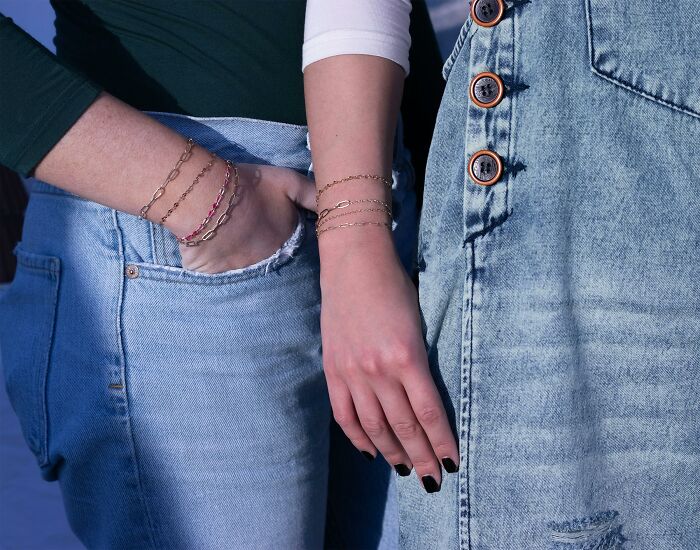
© Photo: TURBOSCUDDY
#2
Most women’s shoes are shaped to be long, thin and pointy. My feet are not long, thin and pointy, **they are** **foot-shaped**, and shoe shopping is a*s.
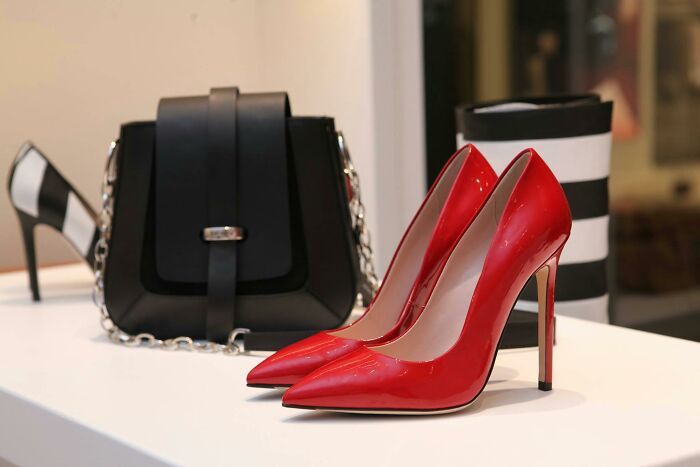
© Photo: Nopetynope12
#3
Every single gyno procedure and lack of pain meds given for it
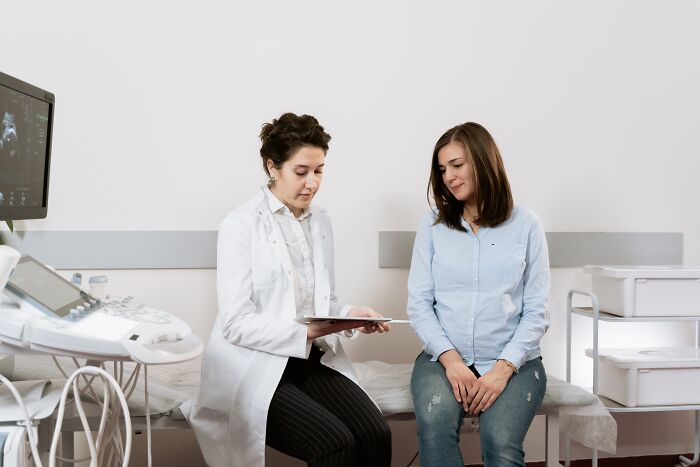
© Photo: abynew
In this list, curated for you by Bored Panda, there are specific examples of things that men designed that are often impractical for women. Since women are left with no choice but to use these inventions, it begs the question, why don’t more women start designing things? That’s because product design is still a man’s world. Approximately only 9.1% of product designers are women.
With such a small sample to provide input, it’s no wonder that men are providing the dominating input during the design process. At the start of most design courses, students are taught about something called Universal Design. According to the Centre for Excellence in Universal Design, “Universal Design (UD) is the design and composition of an environment so that it can be accessed, understood and used to the greatest extent possible by all people regardless of their age, size, ability or disability. An environment (or any building, product, or service in that environment) should be designed to meet the needs of all people who wish to use it.” So why is it that women are still left out?
#4
Button down shirts that don’t account for [private parts] and if you CAN button it all the way up you have these huge gaps and stretching between the buttons.
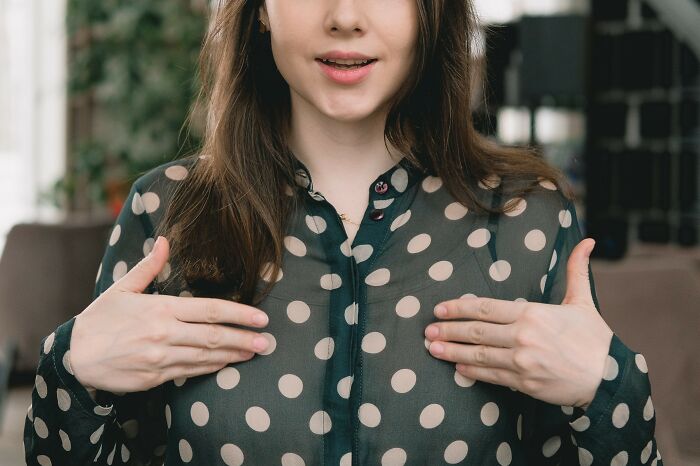
© Photo: tenaciouslyteetering
#5
Ok, this is niche, but I hate it whenever I go to sit at a bar and there are no hooks under the bar. Double points if the stools don’t have a back where I can loop my purse/coat over the seat back, and I am stuck piling my purse and/or coat in my lap. Same for public restrooms – pleaseee put a hook on the door so I’m not precariously balancing my purse on my lap or worse on the floor.
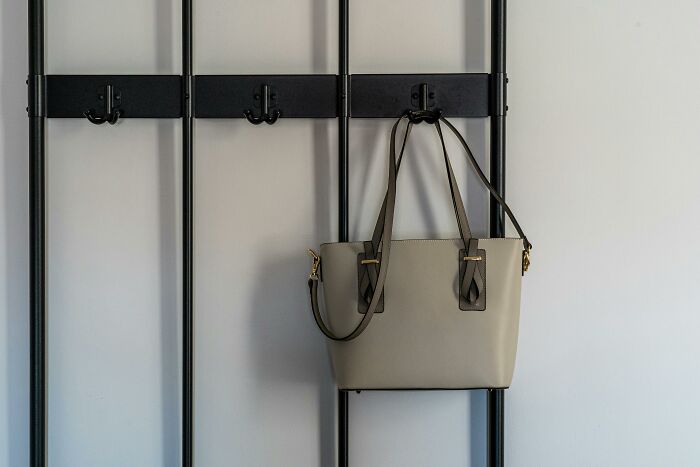
© Photo: Catwymyn
#6
Car seat belts. Mine slips up all the time, and I have it on the lowest setting. I am 5’4″ tall. So uncomfortable.
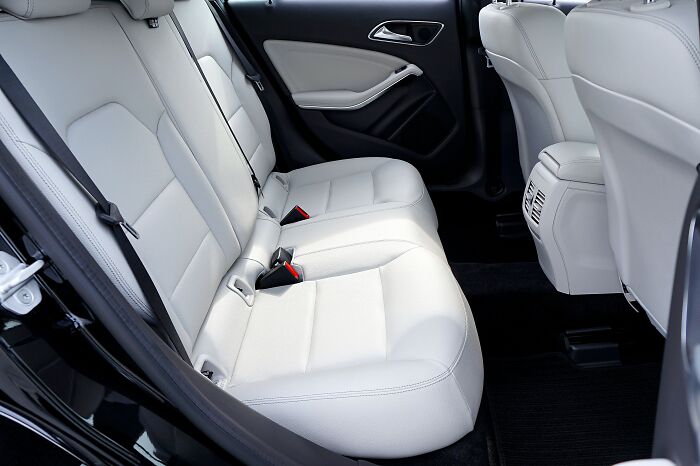
© Photo: Quietly_dangerous
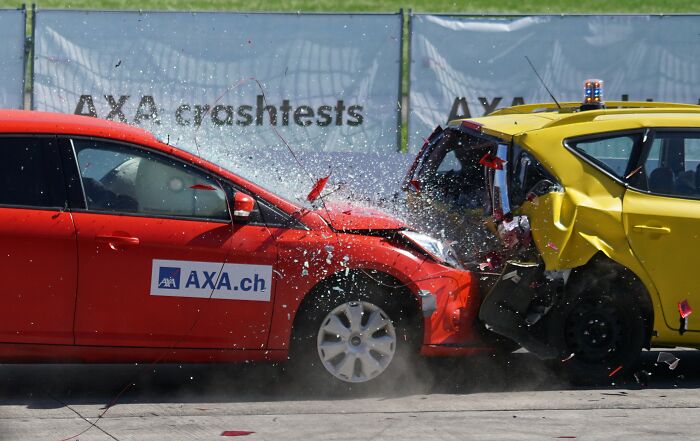
Women are 73% likelier to be injured during a car crash compared to a man. You might be shocked to know that this is also because of poor product design and testing. It’s because male dummies are predominantly used as the “victims” during car crash tests. Yes, female dummies exist, but again, they are just scaled-down versions of the male dummies. They don’t represent the bodily differences that women have, such as broader hips or wider pelvises.
Most car crash innovations aren’t safe for women. Like the design for airbags, which isn’t that safe for smaller women and children. This isn’t to say that these inventions shouldn’t exist. Instead, what it means is that more women should be included when these products are being designed and tested. Let’s take a look at some other instances of things that just weren’t designed for women.
#7
Razors. I just buy the regular man-version if I wanna use a razor…
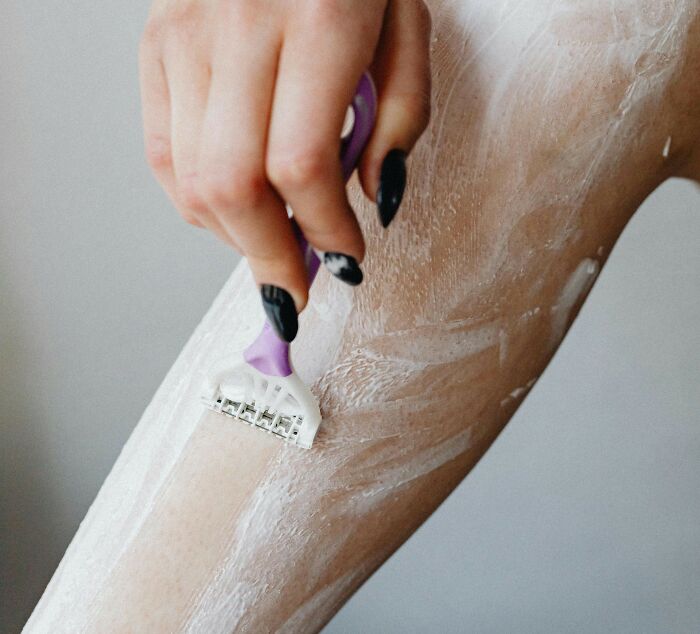
© Photo: Mirawenya
#8
All obgyn vaginal procedures. BARBARIC.
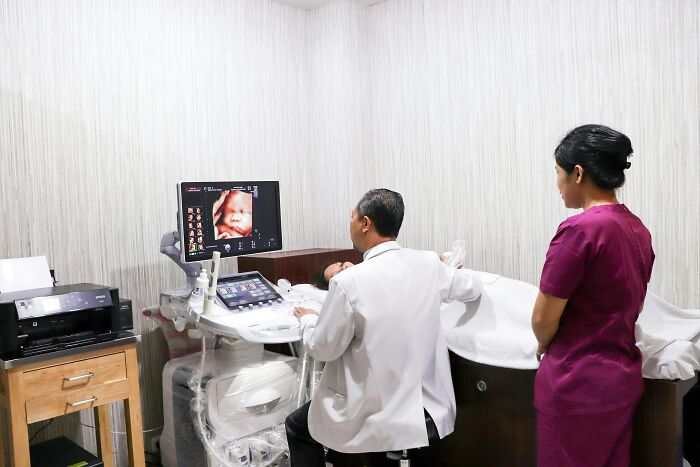
© Photo: awkwardabteverything
#9
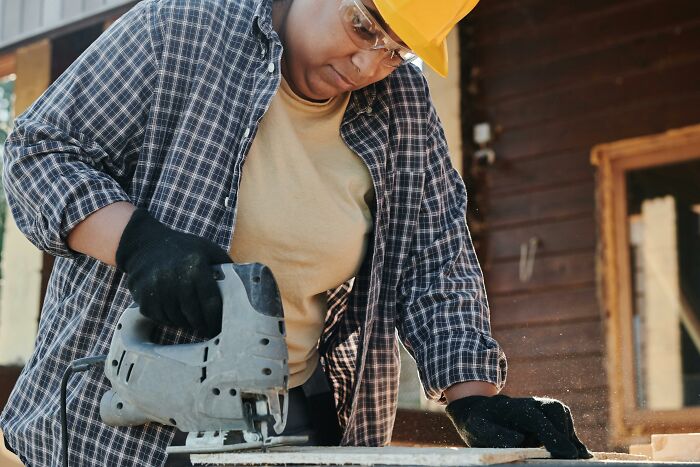
Women’s power tools. They are just a pink version of the men’s tools, or they are just a less powerful version. No redesign of the weight, shape, or grip size to make them easier to hold for our body shapes, just a pink tax.
© Photo: 123-91-1
Product design that doesn’t take into account women’s bodies isn’t just odd, it’s also dangerous. In the military, females have a 2.22 times higher risk of pelvic ring fractures than males. This is because of a number of factors ranging from the design of their military boots to even their backpacks.
When women use products that were designed as an afterthought, it can affect their safety. These real-life examples show that it isn’t just a matter of style or preference. Does it really make sense that half of the population is excluded in favor of a one-size-fits-all approach to product design?
#10
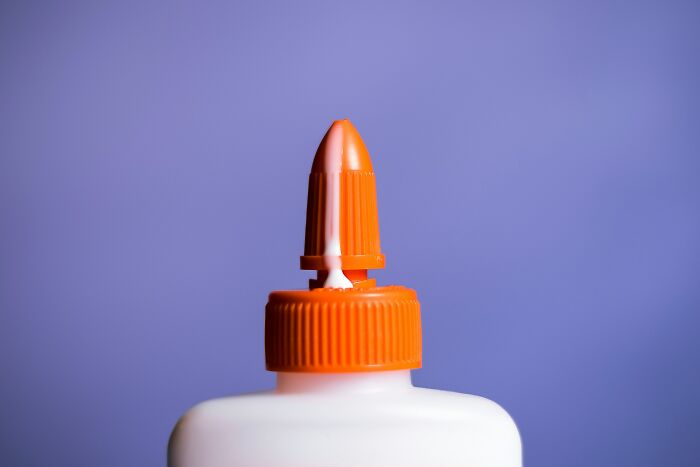
There is a patent for [private part] glue that dissolves when you pee on it do use while on your period to hold the blood in. A male chiropractor invented and tried to sell it. So that.
© Photo: User
#11
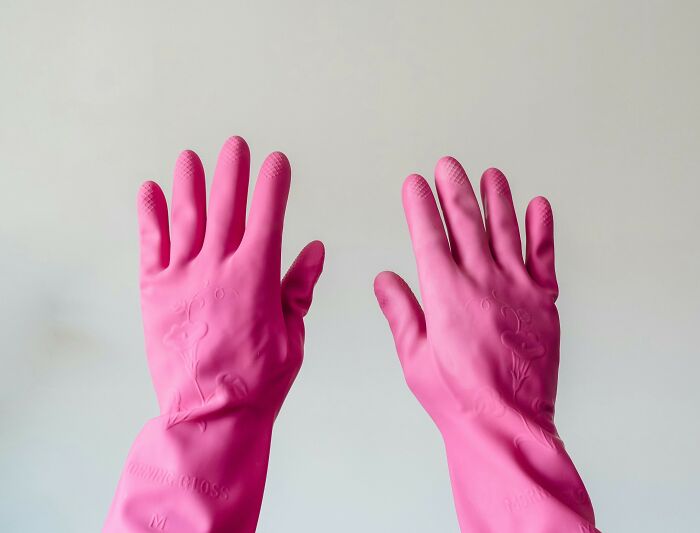
Wasn’t there some guys on shark tank or something like it that made gloves for women to use to change their menstrual products? They were single use and pink or something?
© Photo: silverandstuffs
#12
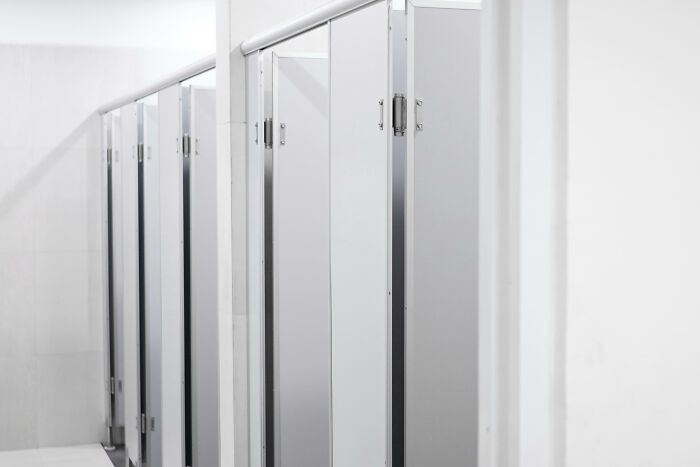
Toilet cubicles – never enough room for sanitary bins
© Photo: Elmaccas
Another minor instance that can have a huge impact is the design of personal protective equipment (PPE) in healthcare. The Women in Global Health survey found that only 14% of women wore PPE that was well-fitted. The problem with male-oriented PPE is that poorly fitting masks, goggles, or gowns can expose women to viruses or infections.
These items also don’t take into account different body types or face shapes. Although the concept of being “gender blind” might seem like a great idea, it doesn’t benefit women when it comes to designing useful products.
#13
Clothes – hardly any pockets, if they do, it’s rare they they a a decent size that actually holds the items in. Handbags – many are too small and useless for any woman carrying more than 1 card and a little bit of cash. Seatbelts – they don’t fit right because they were designed for breast-less people apparently.
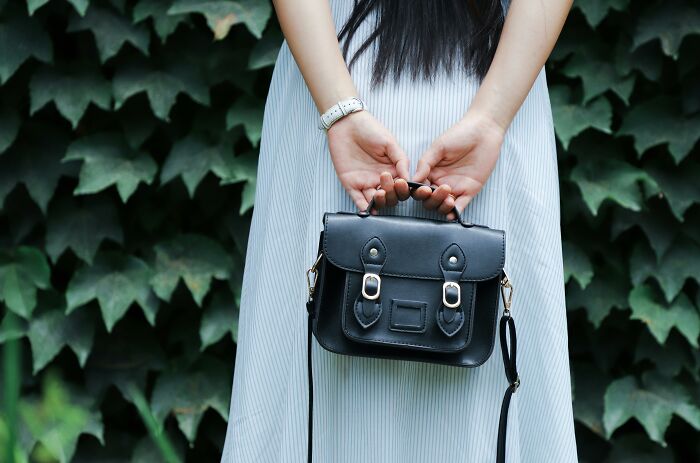
© Photo: Queen_Anomalocaris
#14
Anything that is just a pink or purple variation of the men’s version.
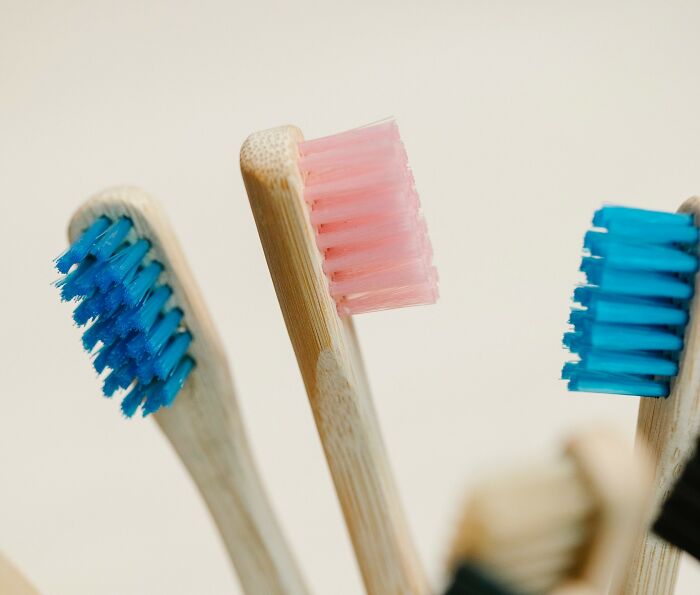
© Photo: soline
#15
PPE. Unisex fit my a*s😂
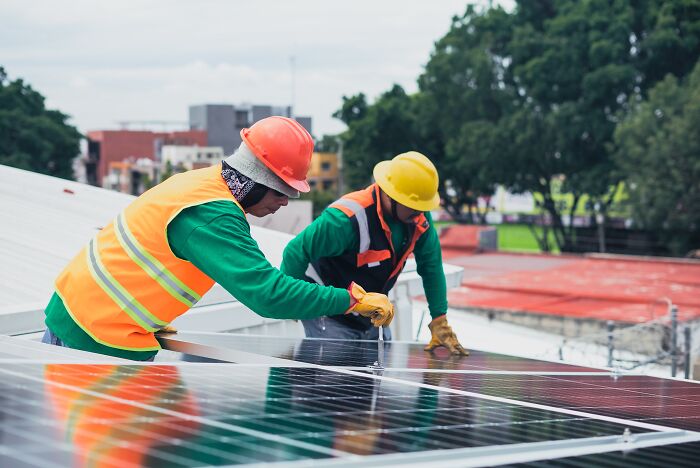
© Photo: Moonpiemo
Lastly, here’s one example that might shock you! Female firefighters have a four times greater rate of injury than male firefighters. Now, you might be wondering how product design fits into this. One of the reasons for this alarming statistic is their ill-fitting protective equipment. Equipment that isn’t designed for their bodies can expose them to toxic chemicals and even liquid, chemical, or heat exposure.
So this brings us back to the question of the lack of women in product design. There are many challenges that can limit workplace entrance and performance, which add another layer of complexity to why women don’t move ahead in this field. It’s important, therefore, to provide more encouragement for women to become designers and pursue careers that are still considered “male-dominated.”
#16
Maternity leave. I’m in the US where you’re lucky to have it and even if you do there are often ridiculous stipulations like, leave starting only when you go into labor. There’s no way a system where the expectation is that 100% of women will be able to work until a baby literally begins to fall out of them was designed by a woman.
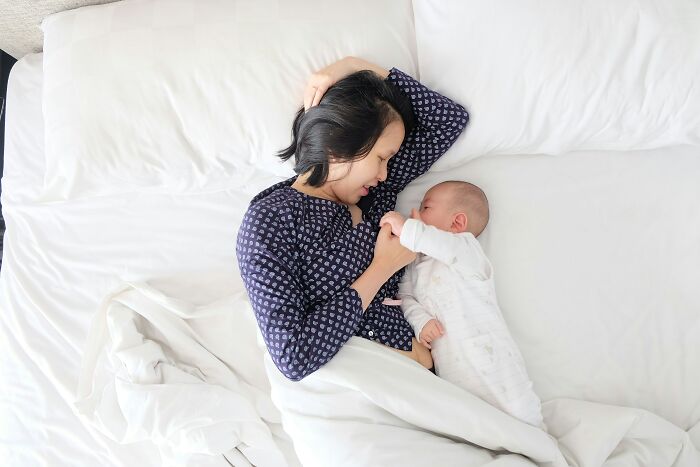
© Photo: automoth
#17
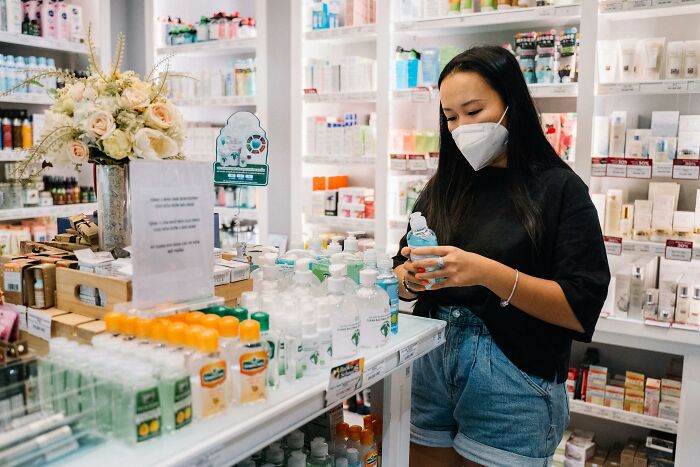
Most pharmaceuticals, unfortunately.
© Photo: vermilion-chartreuse
#18
I’m pretty sure cars? Last I heard, most or all crash tests are used with a male model, but that might’ve changed semi-recently
© Photo: sbmskxdudn
#19
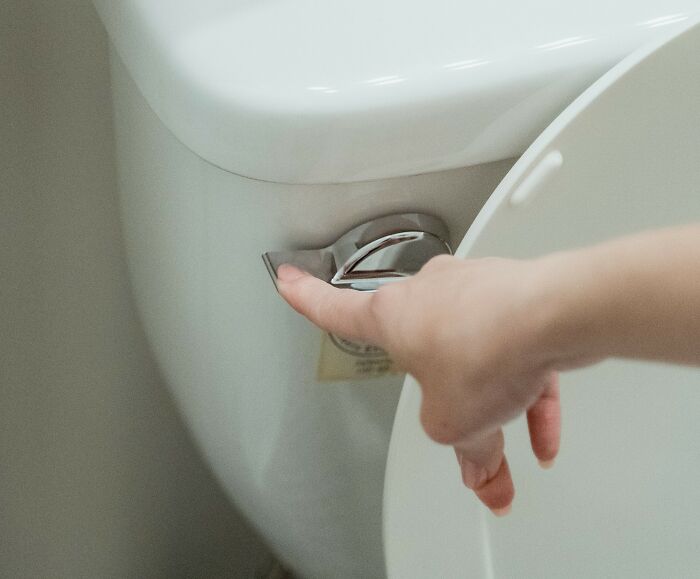
Whoever designed auto-flushing toilets. The [darn] thing is throwing sewage water on the back of my thighs before I can get my pants up. w***?!?!
© Photo: Indigojoyglow
Unisex equipment should not be the default. There should be a push to create products that take into account the needs of both men and women. Without enough women designing products, we will still continue to live in a world that’s been primarily designed for men. What are your thoughts on these examples? Let us know in the comments, and tell us if you have any solution for this issue.
#20
Lab coats. Totally random, but mine makes me look awful. Like a teletubby. Also, the sleeves are too long in the size that fits me. Have to roll them up. The buttons pop open on the chest and hip every day. My boyfriend, meanwhile, looks like a pinup. We finally have custom Rx safety glasses! Where are the custom lab coats?!
#21
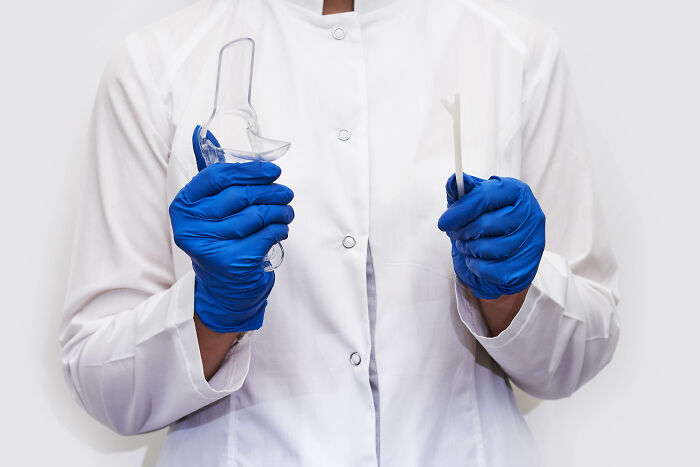
Speculum
© Photo: -FemboiCarti-
#22
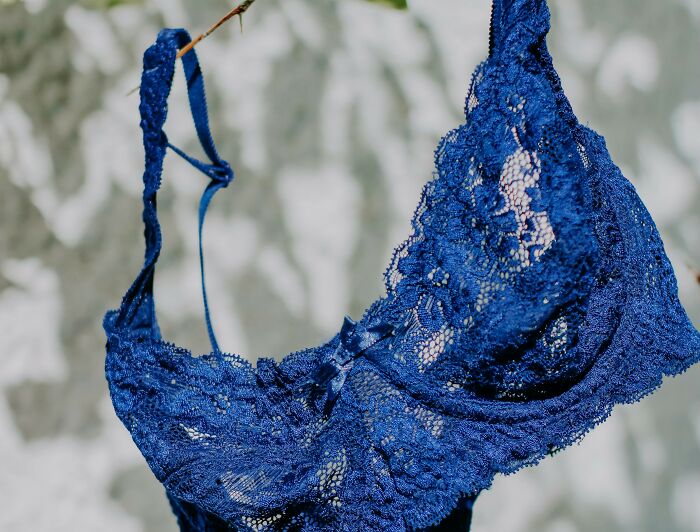
Underwear, because it nearly never fits. Always rides up. Especially when those high cut 80s things came out there were no proper fitting ones anymore, eventually I found boyleg undies, but they are still different from what they used to make. Plus the double fabric is in the wrong place. Definitely must be designed by men, women wouldn’t do that.
© Photo: VeganMonkey
#23
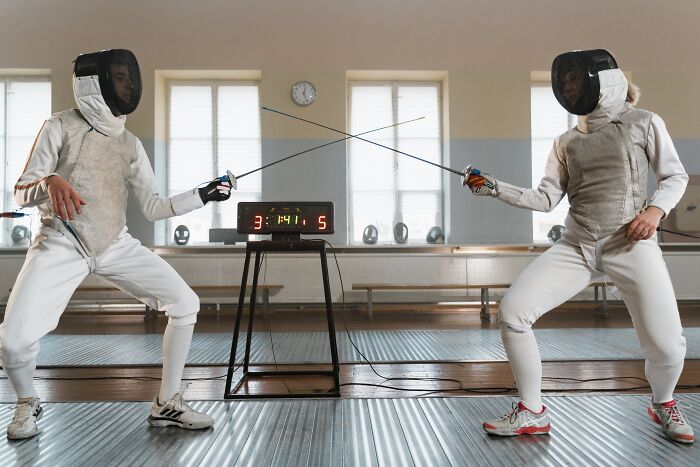
So this is pretty niche but I’m a fencer and the chest protectors that women are required to wear are shaped like a Barbie’s [private parts]. I wrote a whole article about it which went absolutely viral in fencing spaces. We’re working on a redesign but it’s very hard to engineer something that works for all people and doesn’t cost three times more.
https://www.wfencing.org/post/the-problem-with-chest-protectors
The tl:dr is that they don’t fit right and they don’t scale well for larger people AT ALL (but they also don’t scale well for small people). They are required because getting poked in the [private parts] really hard can give you a lump (not cancer, still bad). In the survey we did afterwards we also learned that they contribute to discomfort and dysmorphia among trans and nonbinary folks, and they lead to stupid comments and sometimes bullying among kids and teens.
Edit: I mean fencing as in the sport in the Olympics where we hit each other with blunted swords. Not the fence in your backyard or the person selling stolen goods on the black market.
Also, there are other styles of chest protectors beyond the barbie [private parts] but none of them really work for people who aren’t very flat-chested. These are detailed in the linked post.
© Photo: EpeeLizM
#24
Body armor for soldiers. This was (is?) an issue for military members stationed in the Middle East.
#25
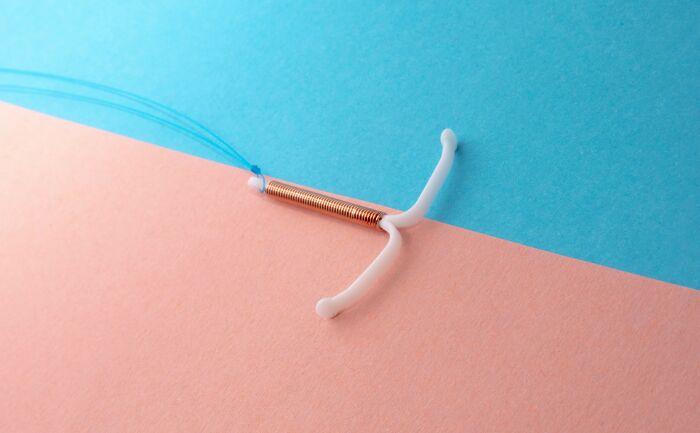
The IUD was invented by Richard Richter in 1909 and the design was updated by Ernst Gräfenberg.
© Photo: SundaeEducational808
#26
hiking backpacks with a breast strap

© Photo: Sternenschweif4a
You might also like: 49 funny photos of people just trying to survive the summer heat
Comments are closed, but trackbacks and pingbacks are open.