Today, fashion trends are often linked to dieting, gym routines, and staying slim. But 400 years ago, the beauty standard looked completely different.
In parts of Europe, being curvy was not something women tried to hide; rather, they proudly showed it off.
While some brides were deliberately fattened before their weddings, wealthy women padded their dresses to appear even larger. What’s more surprising is that a round stomach was briefly considered the latest fashion accessory.
Though it may sound unbelievable today, historians shared that these trends reflected how people viewed beauty, health, and status.
In the 17th century, being full-figured was a sign of beauty, wealth, and good health
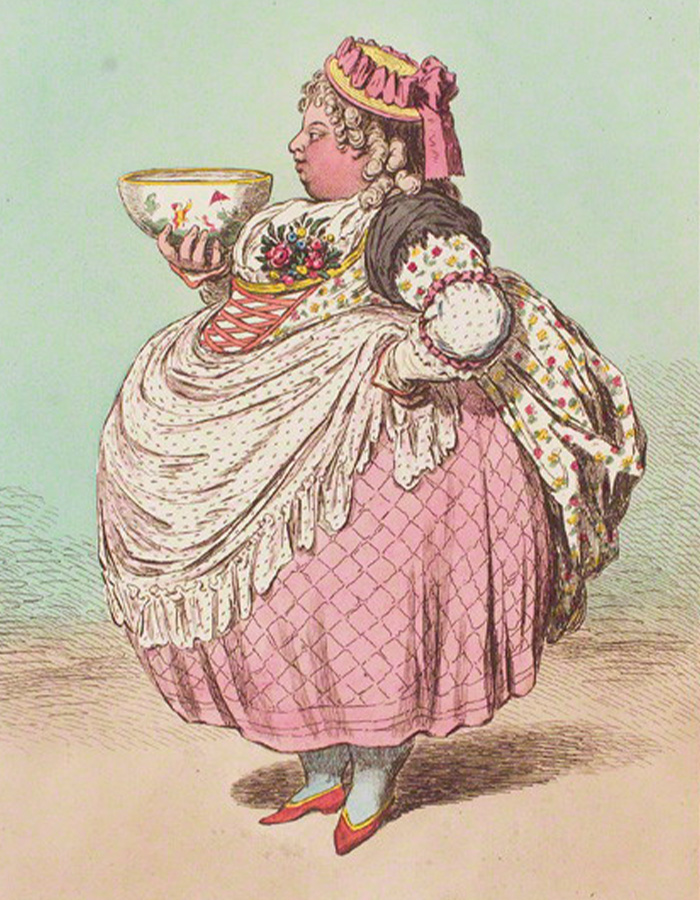
Image credits: National Portrait Gallery/Wikimedia Commons
The idea that slim bodies are the beauty ideal is actually a fairly modern one.
During the Renaissance and much of the early modern period, fuller figures were widely admired.
A woman with soft curves, full hips, and a rounded stomach was often seen as healthy, wealthy, and capable of having children.
Being thin carried a very different meaning.
Instead of suggesting discipline or fitness, it often pointed to illness, old age, poverty, or poor nutrition.

Image credits: Museo del Prado/Wikimedia Commons


At a time when food was harder to come by, having extra weight showed that a person had access to good meals and did not have to perform hard physical labor every day.
Moreover, artists helped reinforce that ideal.
Painters such as Titian and Peter Paul Rubens became famous for portraying women with soft, curvy bodies rather than slim figures.
Rubens admired fuller women so much that the word “Rubenesque” is still used today to describe curvy beauty.
Many historians even describe Renaissance paintings as the fashion magazines of their time because they showed people what was considered attractive and desirable.
To look bigger, brides fattened up, and women stuffed their dresses
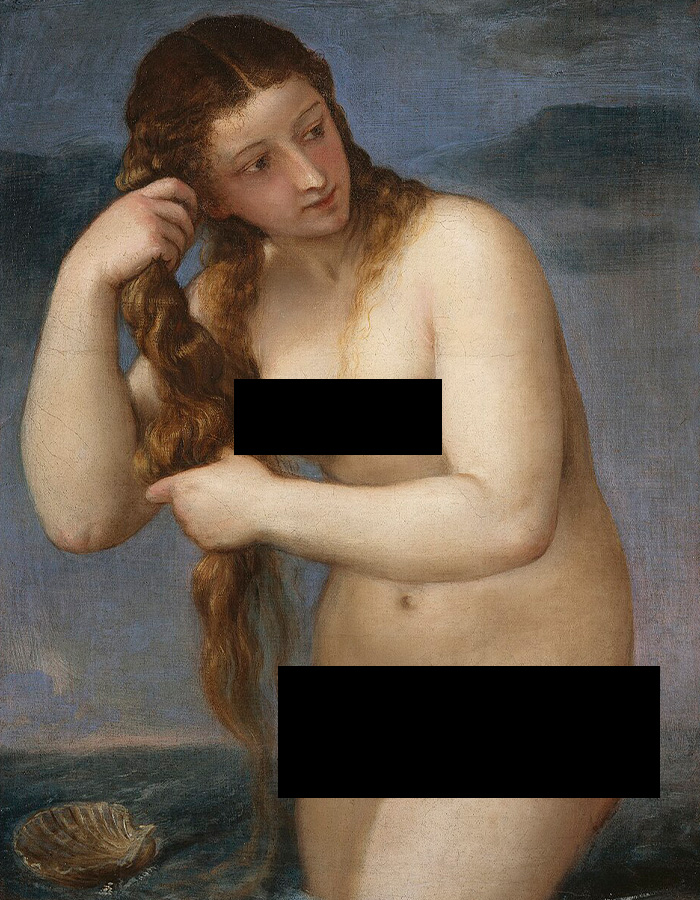
Image credits: Google Arts & Culture/Wikimedia Commons
Beauty trends became even more unusual in the centuries that followed.
Historian Erin Maglaque explained in her book Presence that in early 17th-century Venice, some brides were deliberately fed sweets before their wedding day so they would arrive at the altar looking plump.
More than 100 years later, wealthy women in London took the trend even further.
Upper-class ladies began wearing false hips and padded bottoms made from cork underneath their dresses to make themselves appear larger.
Around 1793, fashion briefly embraced rounded stomachs as well.
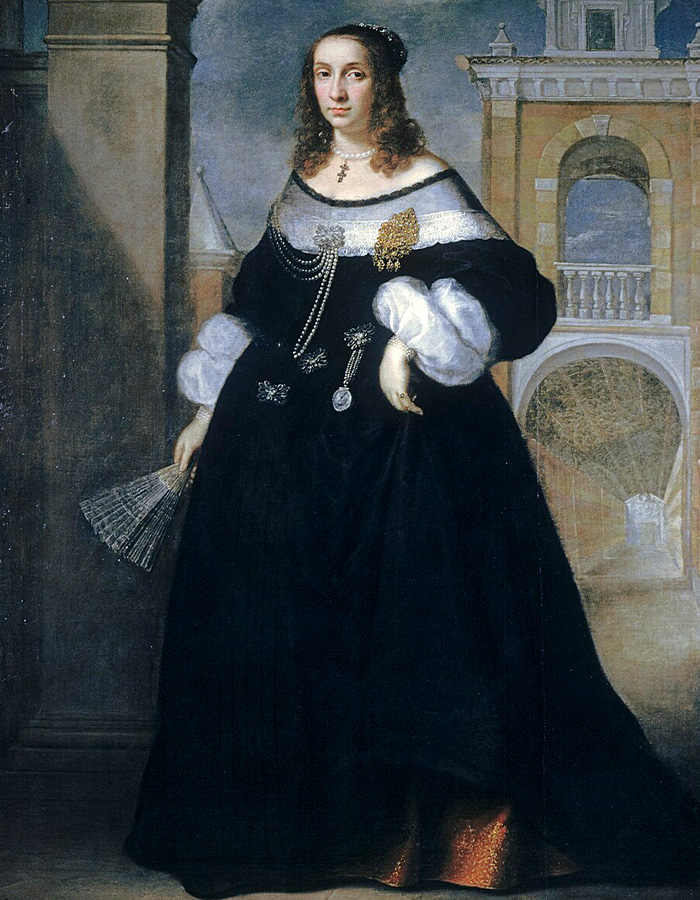
Image credits: Walters Art Museum/Wikimedia Commons
Women could buy special padded rolls, tuck them beneath their gowns, and create the appearance of a fuller belly.
As reported by the Daily Mail, one account described women turning “fullness into high fashion.”
For those who did not want to rely on padding, there was another option.
They simply ate more.


According to Maglaque, even convents were known for serving surprisingly rich meals.
She wrote about Sister Maria Vittoria Verde, a 16th-century nun from Perugia who kept a cookbook containing around 170 recipes.
The convent’s menu included roasted pigeons, sugary pies, elaborate egg dishes, and other expensive meals that hardly matched the Church’s warnings against gluttony.
Besides beauty, Maglaque’s research also gave insights about childbirth and everyday life
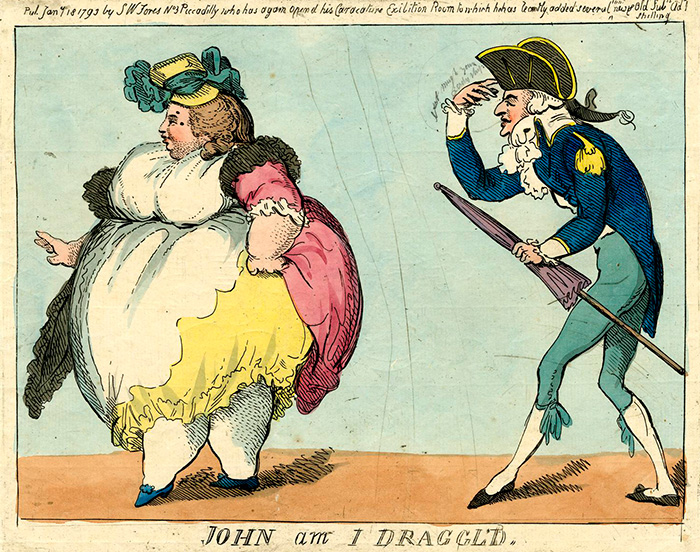
Image credits: The Trustees of the British Museum/Wikimedia Commons
Ideas about beauty were only one part of life that seems unusual by modern standards.
Maglaque’s research also revealed the many myths women faced during pregnancy and childbirth around 400 years ago.
For example, some people believed that a baby born with a red birthmark meant the mother had conceived during her menstrual period, which was considered “unclean.”
Other superstitions were even stranger.
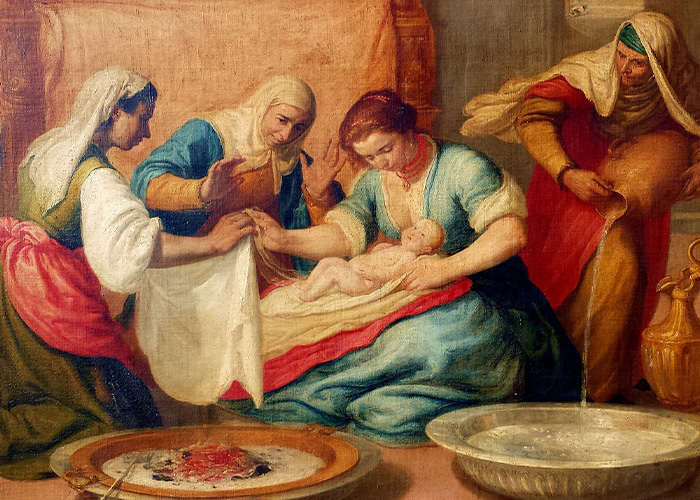
Image credits: Wikimedia Commons


If a baby looked slightly dog-like, people claimed it meant the mother had spent her pregnancy fantasizing about dogs.
Women were also judged during labor itself.
According to these beliefs, mothers who screamed loudly during childbirth were thought to be respectable women. Remaining too quiet could lead others to question whether the baby was legitimate.
The book also explored daily life beyond pregnancy. Many people didn’t sleep straight through the night.
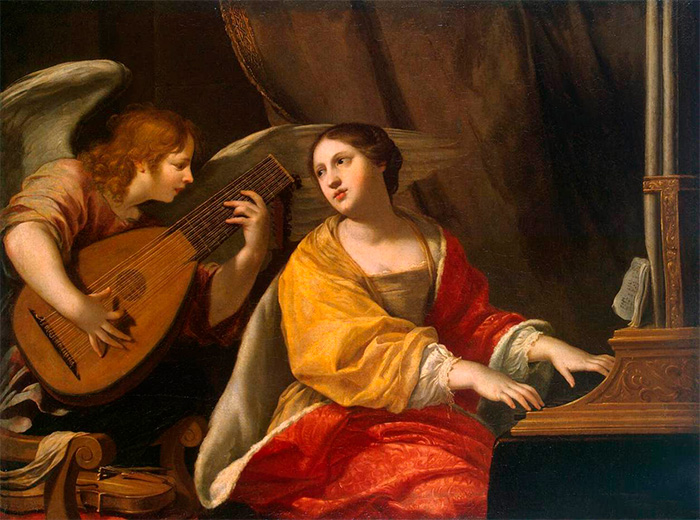
Image credits: Web Gallery of Art/Wikimedia Commons
Instead, they often divided sleep into two parts, waking around midnight to pray, eat a snack, finish household chores, or even brew beer before returning to bed until sunrise.
Maglaque combined these historical records with stories from her own experiences of pregnancy, childbirth, abortion, desire, and sleeplessness, helping readers see how women’s lives from centuries ago could feel both surprisingly familiar and completely different at the same time.
For nearly 400 years, from around 1500 to 1900, fuller bodies remained the dominant beauty ideal across much of Europe
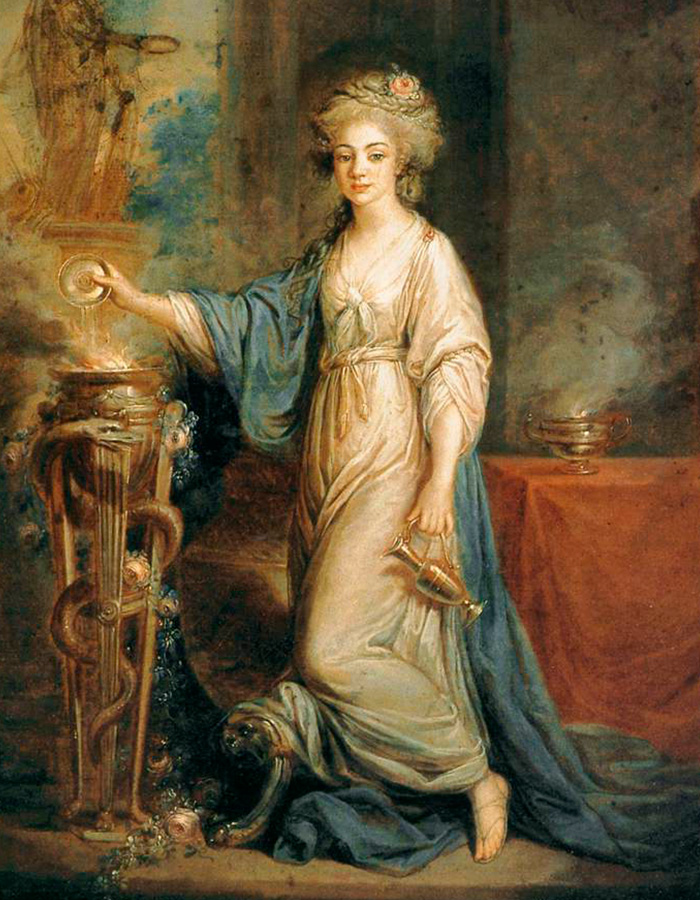
Image credits: Web Gallery of Art/Wikimedia Commons

Historians noted that beauty standards began to change slowly toward the end of the 18th century.
Growing interest in ancient Greek and Roman art encouraged slimmer silhouettes, while Romantic literature introduced tall, thin, mysterious characters that gradually became fashionable.
By the 20th century, several other factors accelerated the shift.
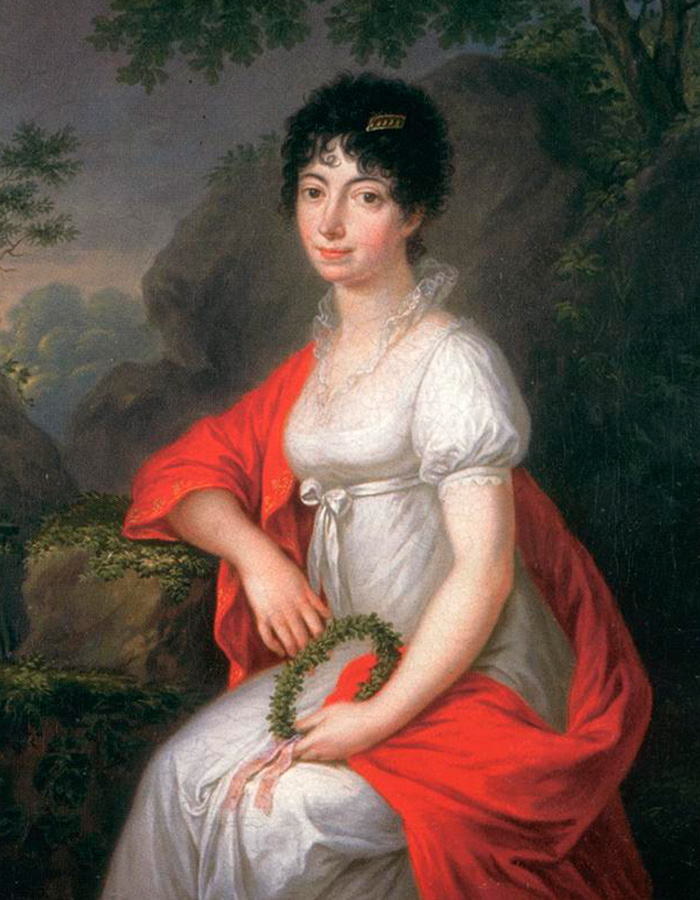
Image credits: Web Gallery of Art/Wikimedia Commons
Photography and film changed how people viewed bodies on screen, while medical research increasingly linked obesity to health risks. At the same time, fashion moved toward simpler clothing that favored leaner frames.
As a result, the qualities that once represented beauty and status gradually came to be associated with poor health instead.
“Great anthology of female attractiveness,” one user wrote










Comments are closed, but trackbacks and pingbacks are open.